The Colorado Sun Shares Wonderful News in the Pollinator World
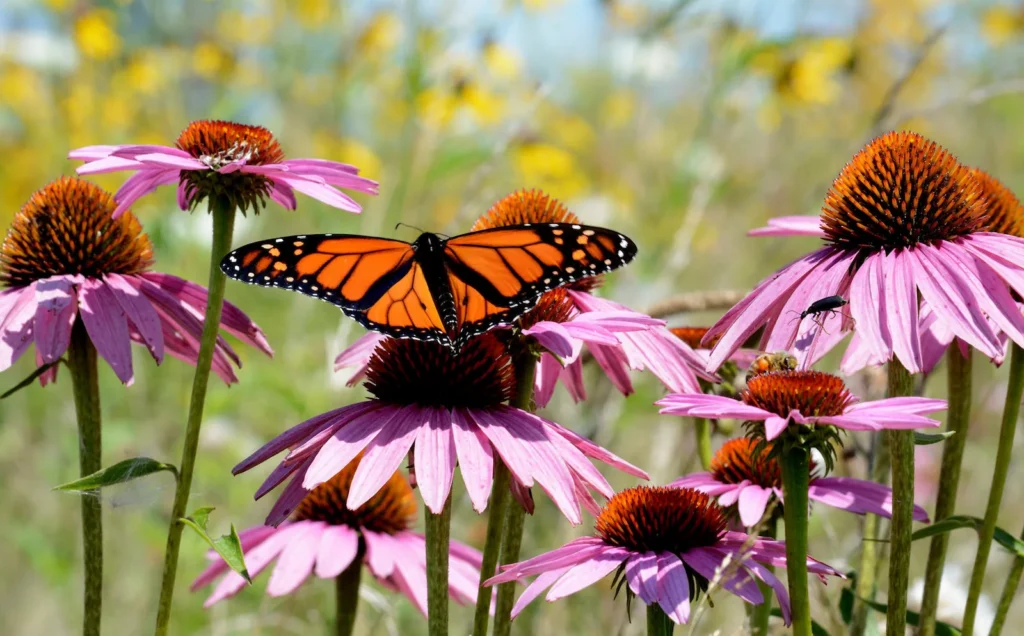
Colorado has taken another step toward protecting the bees, butterflies, and other pollinators that play such an important role in our ecosystems and agriculture.
On September 16, Governor Jared Polis signed an executive order directing several Colorado state agencies to take coordinated action to support pollinator health. The order calls for a statewide pollinator strategy, expanded pollinator habitat on state-managed lands, efforts to reduce pesticide risks, and additional support for local governments and private landowners working to create pollinator habitat.
For those of us who work with bees every day, protecting pollinators isn’t an abstract issue. It’s something we see firsthand every season.
Honey bees are perhaps Colorado’s best-known pollinators, but they’re only one part of a much larger picture. Native bees, butterflies, moths, beetles, flies, hummingbirds, and other animals all contribute to pollination.
These pollinators support Colorado’s agricultural communities, native plants, gardens, and natural ecosystems. From fruit orchards and vegetable farms to wildflowers across the state’s grasslands and mountains, pollination is an essential part of the system that keeps these landscapes productive.
Colorado’s 2024 Native Pollinating Insects Health Study found that populations of some native pollinator species had declined by more than half over the previous 35 years. The study also called for protecting and restoring habitat, reducing environmental and pesticide-related risks, and continuing to monitor pollinator health.
The new executive order builds on that work.
The order directs several state agencies to work together on pollinator protection.
Among the actions outlined are:
These efforts aren’t limited to honey bees. The goal is to support the broader community of pollinating insects and the habitats they depend on.
One of the most encouraging parts of this conversation is that pollinator conservation doesn’t have to start with a large farm or a state agency.
A backyard, garden, patio, or small piece of land can provide valuable forage for pollinators.
Planting a variety of flowers that bloom at different times throughout the growing season gives bees and other insects access to food for a longer period of time. Native plants can be particularly valuable because they are adapted to Colorado’s environment and provide resources for native insects.
There are also simple steps homeowners can take to reduce unnecessary pesticide exposure, leave some natural habitat in the landscape, and provide flowering plants and water for pollinators. In other words, every garden can be a small piece of pollinator habitat.
Please also follow the People & Pollinators Action Network (PPAN) as they provide several ways for Coloradans to get involved in protecting pollinators and creating healthier habitat throughout the state.
At Bee Squared Apiaries, we spend a lot of time thinking about the relationship between honey bees, agriculture, and the Colorado landscape.
Our bees depend on healthy forage throughout the season, and the quality and diversity of that forage matters. Protecting flowering plants and the habitats that support pollinators benefits far more than honey production—it supports the broader ecosystem that Colorado beekeepers and farmers depend on.
The new state initiative is one more reminder that pollinator health is something we all have a role in.
Whether you’re managing hundreds of acres, tending a backyard garden, or simply choosing what plants to put in a flower bed, the decisions we make can affect the pollinators around us.
A few flowering plants may seem like a small contribution, but when those efforts are repeated across thousands of Colorado yards, gardens, farms, and communities, they can create a much larger network of habitat.
For Colorado’s bees and other pollinators, that’s a good thing.
From our hives to your home, we’re proud to be part of Colorado’s beekeeping community and to help support the pollinators that make our landscape possible.
This website uses cookies to ensure you get the best experience on this website