
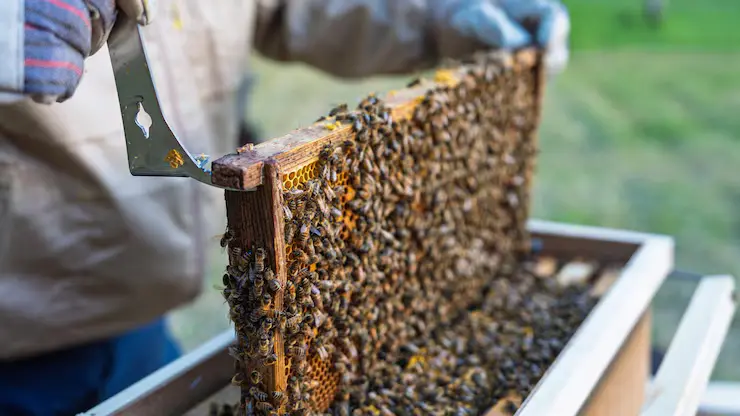
Every year on May 20th, people around the world celebrate World Bee Day — a day dedicated to recognizing the importance of bees and other pollinators. In Colorado, this celebration carries extra meaning because bees play a critical role in maintaining the health of our landscapes, agriculture, and natural biodiversity.
From the Front Range to the Rocky Mountains, bees are quietly supporting entire ecosystems that many people don’t realize depend on them.
Bees are one of the most important pollinators in the world. In Colorado’s diverse climate — which includes alpine tundra, prairie grasslands, forests, and high desert — bees help connect ecosystems through pollination.
Without bees, many native plants would struggle to reproduce. This would impact not only plant life but also the animals that depend on those plants for food and shelter.
Bees in Colorado help sustain:
Colorado’s environment is highly dependent on seasonal plant cycles, and bees are one of the key species that keep those cycles functioning.
Pollination is the process of transferring pollen between flowers, allowing plants to reproduce. In Colorado, this process is especially important because of the state’s short growing seasons and varied elevations.
Bees support the growth of:
Without pollinators, many of Colorado’s iconic landscapes — including its wildflower-covered valleys and mountain meadows — would look very different.
Colorado is home to hundreds of native plant species that rely on bees for reproduction. Wildflowers such as lupine, columbine, blanketflower, and sunflowers depend heavily on pollinators to survive and spread.
At the same time, Colorado also supports native bee species that are uniquely adapted to high altitude and dry conditions. These native bees often:
These native pollinators are just as important as honeybees, and together they create a balanced pollination system across the state.
While native bees support wild ecosystems, honeybees also play a major role in Colorado agriculture.
Honeybees are essential for pollinating crops such as:
Many Colorado farms rely on managed honeybee colonies during blooming seasons to ensure strong yields. Without these pollination services, food production would become less reliable and more expensive.
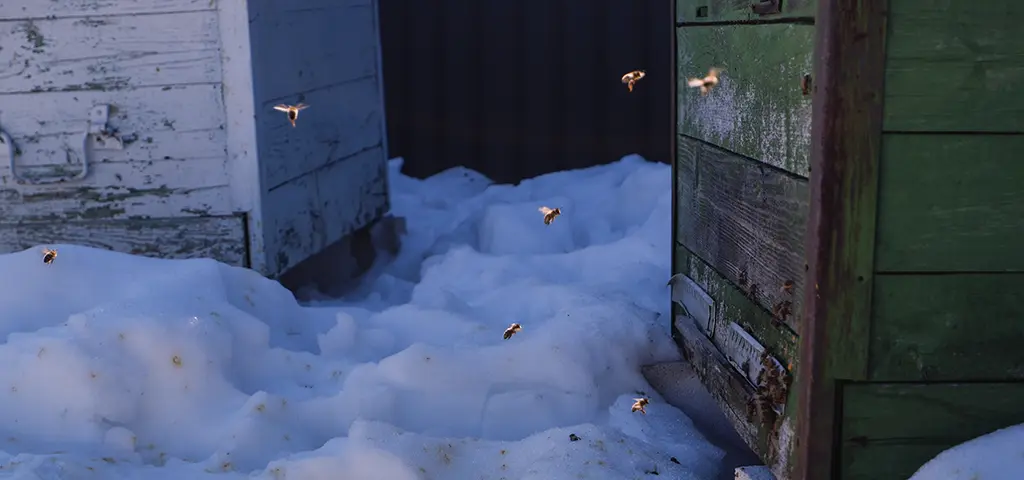
Despite their importance, bee populations are under pressure from multiple environmental challenges.
Urban expansion, land development, and reduced wild spaces limit the availability of natural forage and nesting areas.
Certain chemicals used in agriculture and landscaping can harm bees’ navigation systems and overall health.
Shifts in temperature and precipitation affect flowering cycles, sometimes causing bees and plants to become out of sync.
Increasing wildfire activity in Colorado can destroy forage areas and disrupt pollinator habitats for years.
Honeybees are vulnerable to mites and diseases that can weaken entire colonies.
These challenges make pollinator conservation more important than ever.
Bees don’t just support wild ecosystems — they also directly impact Colorado’s food supply.
Through pollination, bees help ensure:
Even crops that don’t seem directly related to bees often depend on pollination somewhere in their production cycle.
Local beekeepers play a vital role in maintaining healthy pollinator populations. In Colorado’s unique climate, beekeeping requires careful management due to elevation, temperature swings, and seasonal forage availability.
Responsible beekeeping helps:
Supporting local honey producers also helps fund pollinator education and conservation efforts throughout the state.
Honey is more than a natural sweetener — it is a reflection of the environment it comes from.
Colorado honey often contains nectar from:
This means every jar of honey tells a story about the specific ecosystem where the bees foraged.
Changes in flavor and color throughout the year reflect seasonal shifts in plant life and climate conditions.
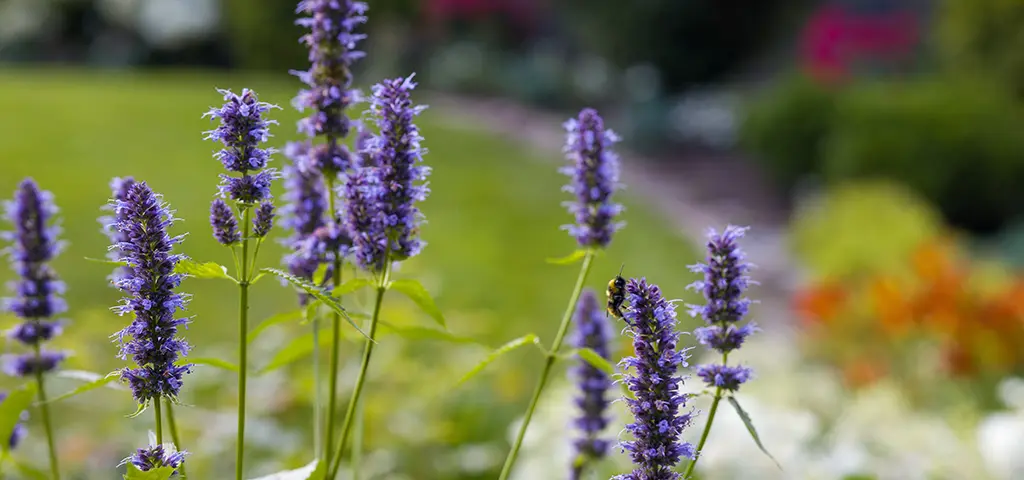
Anyone can help support pollinators, even without beekeeping experience.
Native plants provide the most reliable food sources for bees and are adapted to Colorado’s climate.
Minimizing pesticide and herbicide use helps protect both native bees and honeybees.
Leaving natural areas in yards or gardens gives bees space to forage and nest.
Buying local honey helps sustain responsible beekeeping and encourages pollinator-friendly practices.
World Bee Day is not just a global awareness event — it is a reminder of how deeply connected bees are to Colorado’s environment.
From high mountain meadows to urban gardens in cities, bees are shaping the health of ecosystems all across the state. Their work often goes unnoticed, but it supports biodiversity, agriculture, and natural beauty in
ways that are essential to life in Colorado.
Protecting bees means protecting Colorado itself.

This website uses cookies to ensure you get the best experience on this website